Image ChatGPT Image 2
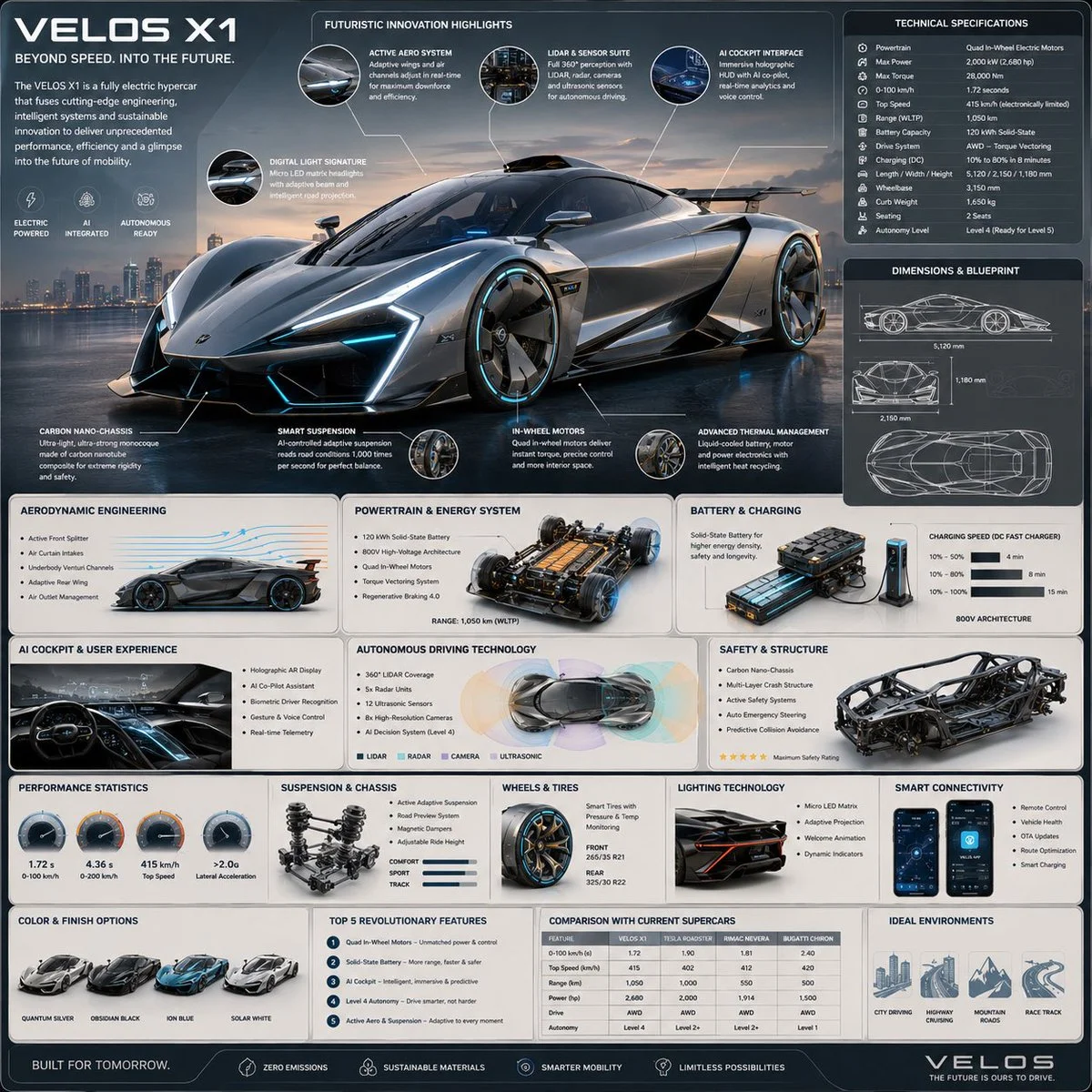
Reimagining Tomorrow: The {CAR_NAME} Hypercar Infographic
Explore the pinnacle of automotive design with a comprehensive infographic on the {CAR_NAME}. This visual reference blends sleek aesthetics and advanced engineering insights, showcasing the future of mobility in a beautifully curated handbook format.
Prompt
Create a premium square “reference-style futuristic automotive infographic” centered around a visionary futuristic hypercar called the {CAR_NAME}, designed as a beautifully curated future-mobility handbook page rather than a sci-fi movie poster.

The composition should feel like a modern visual encyclopedia mixed with an elite automotive concept-design manual and high-end editorial infographic system.

Visual Direction:

• 1:1 square composition
• Soft futuristic industrial background with subtle holographic blueprint textures, aerodynamic schematics, and clean technical overlays
• Elegant muted palette using matte titanium, graphite black, silver chrome, electric blue accents, soft white lighting, and dark metallic tones
• Refined editorial typography hierarchy
• Rounded modular information cards with clean spacing
• Gentle realistic shadows and premium UI-style dividers
• Minimal futuristic automotive iconography
• Extremely detailed central hypercar render viewed in dramatic three-quarter perspective during cinematic dusk lighting
• Thin precision annotation lines pointing toward futuristic systems and engineering innovations
• Clean, organized “knowledge-first” layout with high information density but breathable spacing

Main Subject Presentation:

A stunning ultra-detailed realistic render of the {CAR_NAME} placed at the center, featuring futuristic aerodynamic bodywork, active aero components, glowing LED lighting systems, transparent or digital cockpit elements, advanced wheel designs, ultra-premium materials, realistic reflections, and next-generation automotive realism.

Surround the car with scientific and engineering callouts explaining:

• electric or hybrid propulsion system
• active aerodynamic surfaces
• autonomous driving sensors
• AI cockpit interface
• battery and energy systems
• adaptive suspension technology
• carbon-fiber or nano-material chassis
• thermal cooling systems
• wheel and traction technology
• intelligent lighting systems

Include modular infographic sections such as:

• Vehicle Overview
• Technical Specifications
• Performance Statistics
• Powertrain & Energy System
• Autonomous Driving Technology
• Aerodynamic Engineering
• Interior & Cockpit Design
• Safety & Sensor Systems
• Battery & Charging Infrastructure
• Suspension & Chassis Engineering
• Smart Connectivity Features
• Sustainability Innovations
• Future Mobility Applications
• Advantages vs Current Supercars
• “Top 5 Revolutionary Features” section
• Concept Evolution Timeline

Add small premium visualization modules like:

• aerodynamic airflow graphics
• battery system cutaway diagrams
• AI interface mockups
• autonomous sensor coverage maps
• wheel and suspension schematics
• charging-speed performance charts
• cockpit UI visualization panels
• top/side blueprint views
• material composition graphics
• futuristic road-environment simulations

Style Keywords:

“premium future mobility encyclopedia”
“editorial hypercar handbook”
“high-end futuristic automotive infographic”
“scientific concept-car poster”
“museum-quality future vehicle reference page”
“modular automotive innovation system”
“clean futuristic editorial design”
“ultra-detailed hypercar visualization”

Avoid:

• cartoon sci-fi aesthetics
• over-the-top cyberpunk chaos
• cluttered futuristic UI overload
• unrealistic floating vehicles
• movie-poster action scenes
• excessive neon effects or dystopian environments

The final result should resemble a professionally published future-automotive reference-book page created for car enthusiasts, automotive designers, futurists, engineers, collectors, and educational mobility archives.
Published: May 13, 2026 by Jack