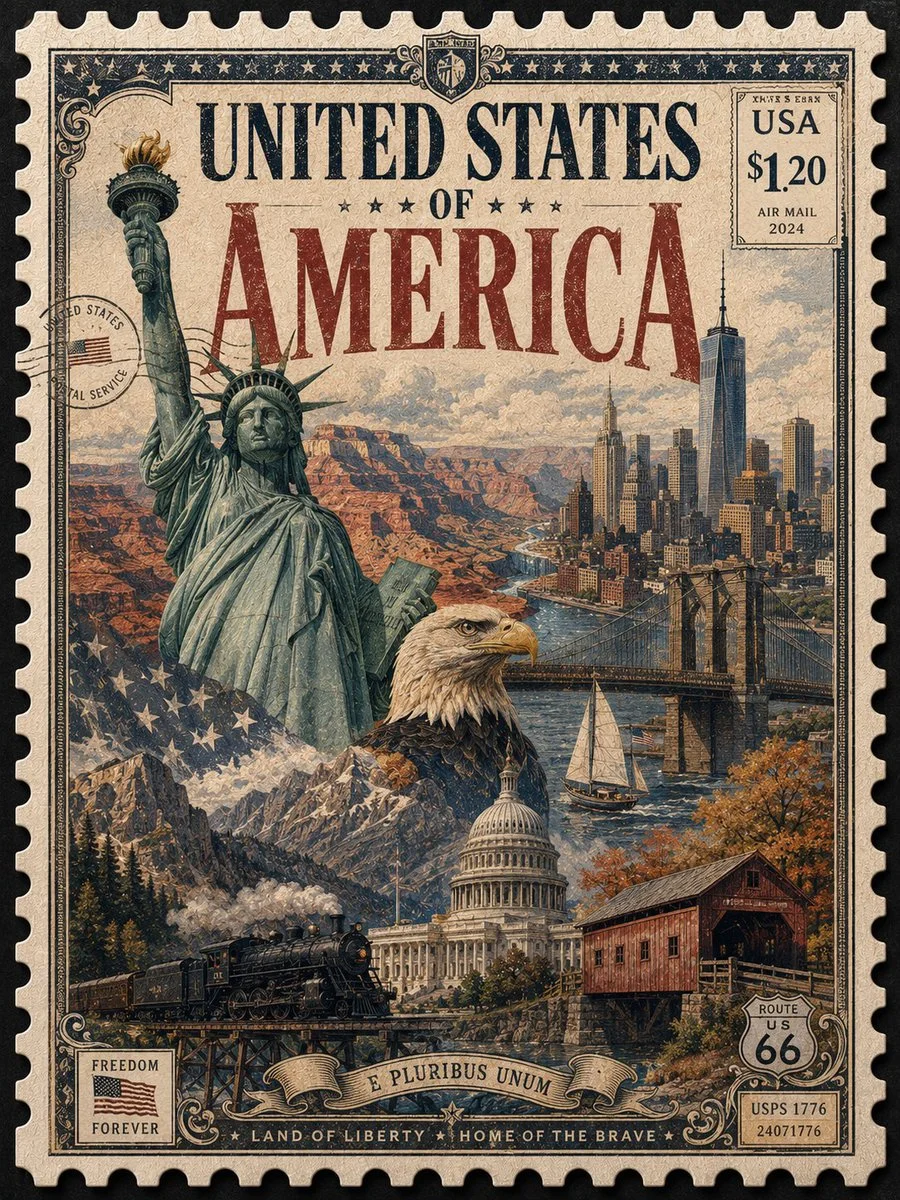
Image ChatGPT Image 2
The Essence of Japan: A Luxury Postal Stamp Poster
Immerse yourself in this handcrafted gouache illustration that captures Japan's rich cultural tapestry. The monumental stamp, with its elegant typography and serene color palette, presents a harmonious blend of tradition and modernity, inviting admiration for its crafted beauty.
Prompt
Design a premium 3:4 collectible postal-stamp poster for Japan, where the entire composition is one monumental luxury postage stamp filling the frame edge-to-edge like a rare national artifact. The stamp should dominate the canvas with oversized tactile perforation edges, elegant engraved borders, and an immersive object-focused composition.
Style: handcrafted gouache illustration blended with silkscreen poster aesthetics, traditional Japanese print sensibilities, editorial travel art, and museum-grade print minimalism. The artwork should capture Japan’s true atmosphere through layered cultural identity, seasonal nature, refined urban rhythm, historic architecture, rail transportation, mountain landscapes, coastal serenity, craftsmanship, and quiet environmental harmony — interpreted through elegant graphic storytelling rather than cliché tourism imagery.
The composition should feel dynamic and asymmetric. One dominant national element should rise diagonally through the stamp — such as Mount Fuji merging into flowing Shinkansen lines and layered traditional rooftops — while secondary forms drift around it with graceful movement: torii silhouettes, sakura branches, lantern-lit alleys, modern skyline fragments, ocean waves, and minimalist garden geometry. The design should subtly communicate the coexistence of tradition and futurism without becoming a crowded collage. Preserve intentional negative space inspired by Japanese poster design and printmaking aesthetics. Avoid clutter and over-detailed realism.
Typography is a major part of the design. The word “JAPAN” must appear massive and integrated directly into the stamp artwork like a luxury masthead, partially interacting with the illustration through masking, overlap, engraving, or layered depth. Typography should feel refined and timeless — blending modern editorial typography with subtle inspiration from Japanese calligraphy and vintage postal design.
Keep all secondary typography minimal and authentic: tiny denomination number, 日本郵便–inspired postal markings, AIR MAIL / POST text, issue year, serial numbers, microscopic cancellation marks, engraved information strips, subtle kanji details, and refined border inscriptions integrated naturally without cluttering the composition.
Lighting should feel like premium collectible print photography: soft directional highlights revealing tactile matte washi-paper grain, embossed ink edges, subtle print pressure, delicate shadow depth around perforation cuts, and refined ink density. No dramatic cinematic lighting.
Color palette should feel elegant, restrained, and distinctly Japanese: • warm ivory
• sumi black
• muted indigo
• vermilion red
• sakura pink
• moss green
• weathered wood brown
• soft fog gray
with carefully controlled accents inspired by ukiyo-e prints, Kyoto streets, Tokyo night signage, and seasonal landscapes.
Final result should feel like an ultra-rare commemorative Japanese postage stamp sold in a luxury museum design store — sophisticated, tactile, immersive, collectible, and timeless.
Negative: generic anime aesthetics, floating tourist landmarks, souvenir-style compositions, busy collages, excessive typography, fake vintage distress, stock vector icons, random gradients, low-detail illustration, centered layouts, generic stamp mockups, noisy textures, over-rendered realism.
Published: May 14, 2026 by Jahan Zaib